
The Science of Staying Calm and Focused
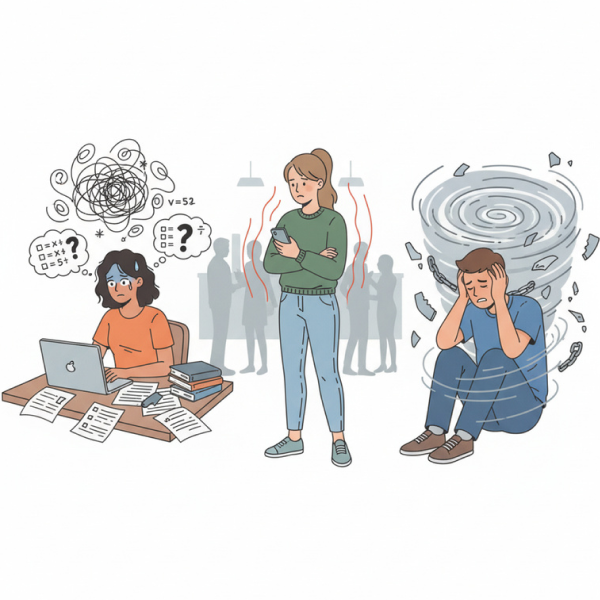
High-stakes quizzes, entrance exams, and licensure assessments compress months of learning into a few tense hours. Under that spotlight, many people notice racing thoughts, a jittery body, and a creeping belief that their preparation has suddenly vanished. This reaction is not a personal flaw; it is a predictable stress response that can be shaped and trained. When adrenaline surges, the brain prioritizes speed over nuance, which is useful for sprinting but not for solving multi-step problems or recalling nuanced facts. Add perfectionism or fear of letting others down, and pressure can amplify until it feels like a wall.
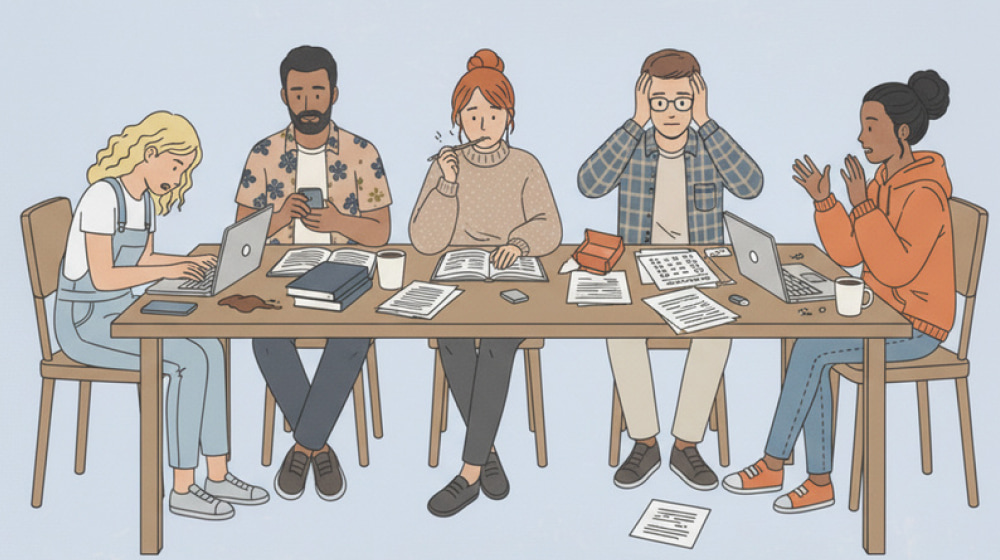
Among students and professionals alike, the phenomenon often called test anxiety can derail recall and reasoning during critical moments. Fortunately, research shows that naming the stressor, reframing it as energy, and using repeatable routines can reduce its disruptive power. People benefit from learning the difference between productive activation and overwhelming arousal, then building habits that keep them inside the optimal performance zone. With a bit of strategic practice, the same physiological charge that once felt menacing becomes fuel for focus.
-
![]() Expect normal nerves, and plan for them like weather you can prepare for.
Expect normal nerves, and plan for them like weather you can prepare for. -
![]() Practice under conditions that mimic the real exam to reduce surprise.
Practice under conditions that mimic the real exam to reduce surprise. -
![]() Use brief pre-performance rituals to anchor attention and calm the body.
Use brief pre-performance rituals to anchor attention and calm the body.

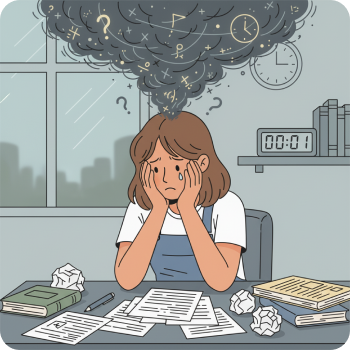
To estimate your current arousal, a structured tool such as an anxiety level test may help translate feelings into numbers for trend tracking. If fear centers on being judged by others, results sometimes overlap with a social anxiety test, which is why context matters when interpreting scores. When physical clues feel confusing, brief checklists modeled after an anxiety symptoms test can highlight patterns worth discussing with a clinician. The larger lesson is that data about your reactions, combined with reflection and attention training.
Start the Test-
![]() Breathing practices lengthen the exhale to signal safety to the nervous system.
Breathing practices lengthen the exhale to signal safety to the nervous system. -
![]() Labeling sensations (“my hands are warm,” “my chest is tight”) reduces alarm.
Labeling sensations (“my hands are warm,” “my chest is tight”) reduces alarm. -
![]() Implementation intentions (“If I blank, then I scan questions for an easy win”) restore control.
Implementation intentions (“If I blank, then I scan questions for an easy win”) restore control.
Self-Checks and Professional Anxiety Screens
Information guides action, and the right check can clarify whether you’re experiencing typical nerves or something that merits additional support. Brief questionnaires provide a snapshot; clinical interviews provide depth. Neither replaces skill-building, but both can orient your next steps. It helps to view these tools as maps rather than verdicts, because your lived experience still anchors decisions about study, rest, and care.
Before you choose a pathway, it is helpful to understand the landscape of common tools and their purpose. For a quick snapshot, many organizations offer a brief anxiety test, and the score can prompt reflection rather than serve as a diagnosis. Before scheduling therapy, some people prefer an anxiety screening test because it flags risk while remaining non‑diagnostic. Those with busy schedules sometimes choose an anxiety test online so they can complete it from home without travel time. University counseling sites occasionally post a free anxiety test that includes guidance on what steps to take next. The comparison below summarizes how different checks can support exam preparation and decision-making in a practical way.
| Tool | What it’s for | When to use it | Next step |
|---|---|---|---|
| Brief screen | Quick snapshot of stress patterns | When you want fast feedback | Adjust study plan and monitor trends |
| Structured questionnaire | More detailed look at severity and scope | When stress persists across weeks | Share results with a counselor or coach |
| Clinical assessment | Professional evaluation with an interview | When impairment affects daily life | Consider therapy, skills training, or accommodations |
| Follow-up tracking | Measure change after interventions | When implementing new strategies | Refine techniques based on data |
-
![]() Treat scores as starting points, not labels that define you.
Treat scores as starting points, not labels that define you. -
![]() Pair numbers with journaling so patterns become visible and actionable.
Pair numbers with journaling so patterns become visible and actionable. -
![]() Share summaries with mentors or health professionals to get tailored advice.
Share summaries with mentors or health professionals to get tailored advice.
Best Ways to Use an Anxiety Self-Test
Success under time limits comes from systems you train weeks before the exam and routines you deploy on the day. Think of preparation as two intertwined tracks: skill mastery and state management. You refine problem-solving speed while also building a portable calm that you can bring into the room. This dual approach keeps attention steady, turns adrenaline into focus, and protects recall from spiraling thoughts.
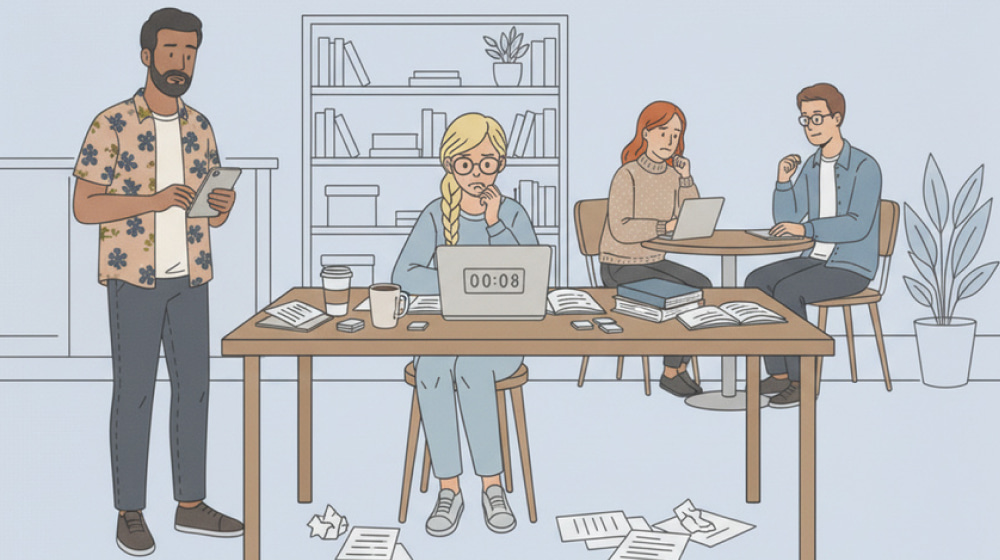
During weekly reviews, a short anxiety self test can nudge you to adjust routines before stress accumulates. If screening suggests broader difficulties, a clinician may recommend an anxiety disorder test along with an interview to differentiate triggers linked to performance. Community clinics sometimes host an anxiety test free event, and that accessibility lowers barriers for learners who hesitate to seek help. Layer these insights onto a practice cadence that gradually adds pressure through timed sets, mixed-topic drills, and occasional simulated sittings.
Small Wins, Strong Performance
Small, consistent adjustments remove hidden friction that otherwise compounds under pressure. Sleep stabilizes memory consolidation, movement burns off excess arousal, and nutrition helps maintain steady energy. Environmental design matters too: tidy materials, predictable start times, and minimized notifications protect deep work. Build a weekly template that balances hard intervals with rest so motivation can recover between efforts.
Start the Test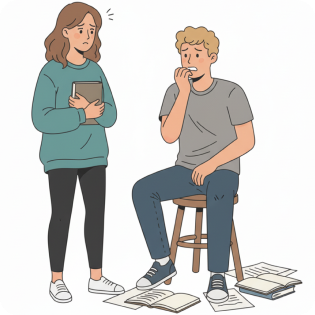
Adult Anxiety Test Vs Anxiety Test for Teens
Working professionals returning to school may benefit from an adult anxiety test, which often frames questions around job demands as well as coursework. High school counselors might suggest an anxiety test for teens so younger learners can understand patterns and request support early. Alongside these tools, consider task batching, spaced repetition, interleaved practice, and retrieval sessions that emphasize explaining concepts out loud. Over time, this combination of planning and body care turns exam day into a familiar routine rather than an unpredictable storm.
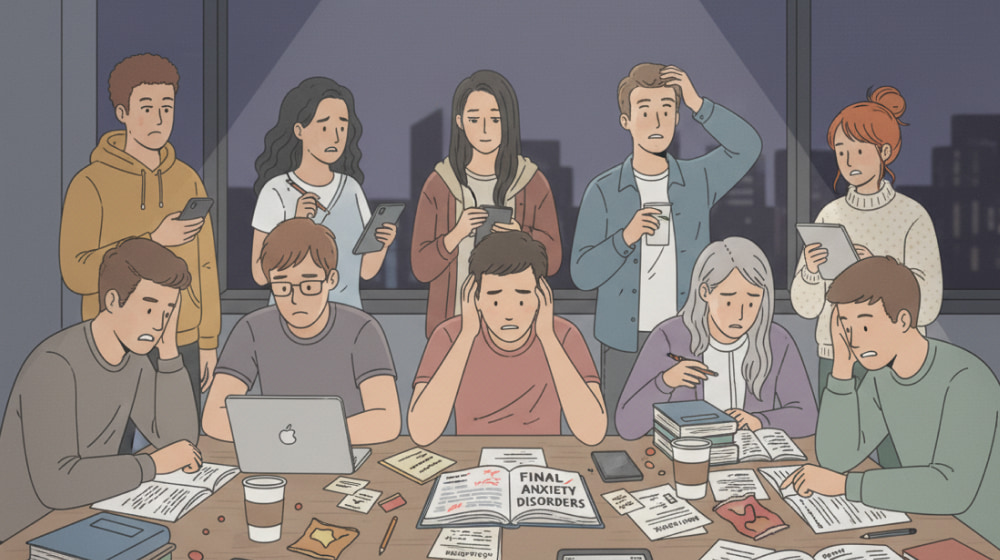
Find Out if You Have Anxiety With Online Test
Get StartedFrequently Asked Questions
- How do I know if my stress is normal or needs attention?Most people feel activated before major assessments, and a little edge can enhance performance. If sleep, relationships, or daily functioning suffer for weeks, it is wise to talk with a professional who can help you sort typical nerves from something more persistent. Your clinician might use a generalized anxiety disorder diagnostic test when symptoms extend beyond exams, and that distinction shapes long‑term planning.
- Can breathing really help during a timed exam?Yes, because slow exhales stimulate the parasympathetic system, nudging the body back toward balance. One effective pattern is to inhale for four counts and exhale for six to eight counts, repeated for about a minute. Pair it with a brief cue like “steady and curious” to redirect attention toward the next actionable step.
- What if I blank on the first question?Blanks happen, even to well-prepared people, because surprise can hijack working memory. Skip ahead to a familiar item, earn a quick win, and return later with renewed confidence. This tactic prevents a single tough prompt from dictating your entire session.
- Is this the same as fear of being judged by classmates?Not always, because performance stress can exist without social evaluation worries. For children who panic when away from caregivers, a pediatrician may consider a separation anxiety test, yet the core issue during school exams is often different. A thorough conversation about triggers clarifies which skills will help most.
- How often should I check my progress?Weekly reviews balance responsiveness with stability, allowing time for strategies to take effect. Keep notes on sleep, study quality, and mood alongside practice scores so you can spot useful patterns. Over a month or two, those logs become a map that guides adjustments with confidence.
The Latest News
 Your Expert Guide to Anxiety Testing: Understanding Tools, Benefits, and Next Steps Find Out if You Have Anxiety With Online Test Get Started Why Anxiety Testing Matters and What It Can Tell You Anxiety can mute your confidence, hijack concentration, and inflate everyday concerns until routine tasks feel daunting. Many people search for clarity because the symptoms...
 - 27 November, 2025
- The Complete Guide to Free Anxiety Self-assessments: Benefits, Accuracy, and Next Steps Find Out if You Have Anxiety With Online Test Get Started Understanding Anxiety Self-Assessments and How to Use Them Wisely When anxious thoughts start nudging your daily rhythms, a quick screening can provide clarity without pressure. Self-assessments help you notice patterns, slee...
- 26 November, 2025
- Your Guide to Digital Anxiety Screenings and How to Use Them Wisely Find Out if You Have Anxiety With Online Test Get Started What Online Screenings Actually Measure and Why They Matter Modern mental health platforms offer quick self-checks that estimate how often anxious thoughts appear, how strongly they interfere with daily routines, and whe...
- 25 November, 2025
Please Note
This website (anxietytest.us) is not an official representative, creator or developer of this application, or product. All the copyrighted materials belong to their respective owners. All the content on this website is used for educational and informative purposes only.